The UK waste and recycling industry is facing its biggest regulatory shift in decades. Under the government's upcoming Digital Waste Tracking (DWT) service, paper Waste Transfer Notes (WTNs) and hazardous consignment notes are being permanently replaced by a mandatory, central digital platform. Designed to crack down on waste crime and support a circular economy, compliance will soon become an operational prerequisite for every permitted waste-receiving site in the UK.
To avoid compliance breaches and ensure uninterrupted weighbridge operations, sites must understand key deadlines, data prerequisites, and API integration requirements.
Key Deadlines: The Digital Waste Tracking Roadmap
The roll-out is structured into phased milestones across the UK administrations:
- 28 April 2026 — Public Beta: Permitted and licensed receiving sites can voluntarily register on the platform and begin submitting live waste movement data.
- October 2026 — Mandatory Go-Live (England, Wales & Northern Ireland): Legal enforcement begins. Every permitted and licensed waste receiver will be legally mandated to report all incoming waste digitally. Paper notes alone will no longer satisfy compliance, and regulators like the Environment Agency will enforce penalties for non-compliance.
- January 2027 — Mandatory Go-Live (Scotland): The mandate takes full effect across Scottish permitted sites.
- October 2027 — Phase 2 Expansion: Digital tracking mandates extend further up the chain to waste carriers, brokers, dealers, and exporters.
What Information Must Be Captured for Every Load?
Defra's API-first platform requires comprehensive, validated data to be recorded and transmitted for every movement of waste entering your facility:
- Site & API Identifiers: A dedicated Defra API code (one required per receiving site) alongside your Environmental Permit or Waste Authorisation reference (e.g.
PPC/A/9999999). - Waste Classification: Valid 6-digit European Waste Catalogue (EWC) codes mapped to every material type, along with the waste producer's Standard Industrial Classification (SIC) code.
- Carrier & Movement Details: Haulier name, valid waste carrier registration number (e.g.
CBDU999), and a unique digital movement reference number. - Material Characteristics: Physical form (solid, liquid, sludge, gas), container type (loose, roll-on/roll-off, skip, IBC, bale, etc.), net weight, and end-destination recovery (R) or disposal (D) operation codes.
- Hazardous & POPs Screening: Hazard Property codes (HP1 through HP15) for hazardous consignments, and explicit screening flags for materials containing Persistent Organic Pollutants (POPs).
Automating Compliance at the Weighbridge
Manually logging hundreds of daily transactions into government web portals or generating bulk CSV files introduces substantial administrative overhead and creates bottlenecks at site entrances. Because Defra's system is built around its open Receipt of Waste API, the most reliable and future-proof approach is direct integration at the weighbridge point of capture.
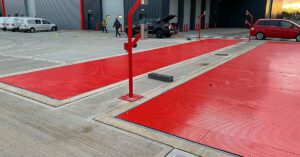
Our DEFRA DWT Interface Weighbridge Software bridges the gap between hardware transactions and government reporting. Designed specifically for waste processors and recycling facilities, the system captures net gross/tare vehicle weights, verifies carrier credentials, auto-assigns EWC/recovery codes, and securely dispatches movement records to Defra in real time—eliminating paperwork and safeguarding your site against regulatory penalties.
Get Your Site Ready Before the Mandate
Getting your systems configured ahead of the April 2026 public beta ensures sufficient time to test end-to-end data validation and train weighbridge operators before enforcement begins.
Contact the Libra Weighing team today to discuss our software interfaces, hardware setups, and automated compliance solutions.